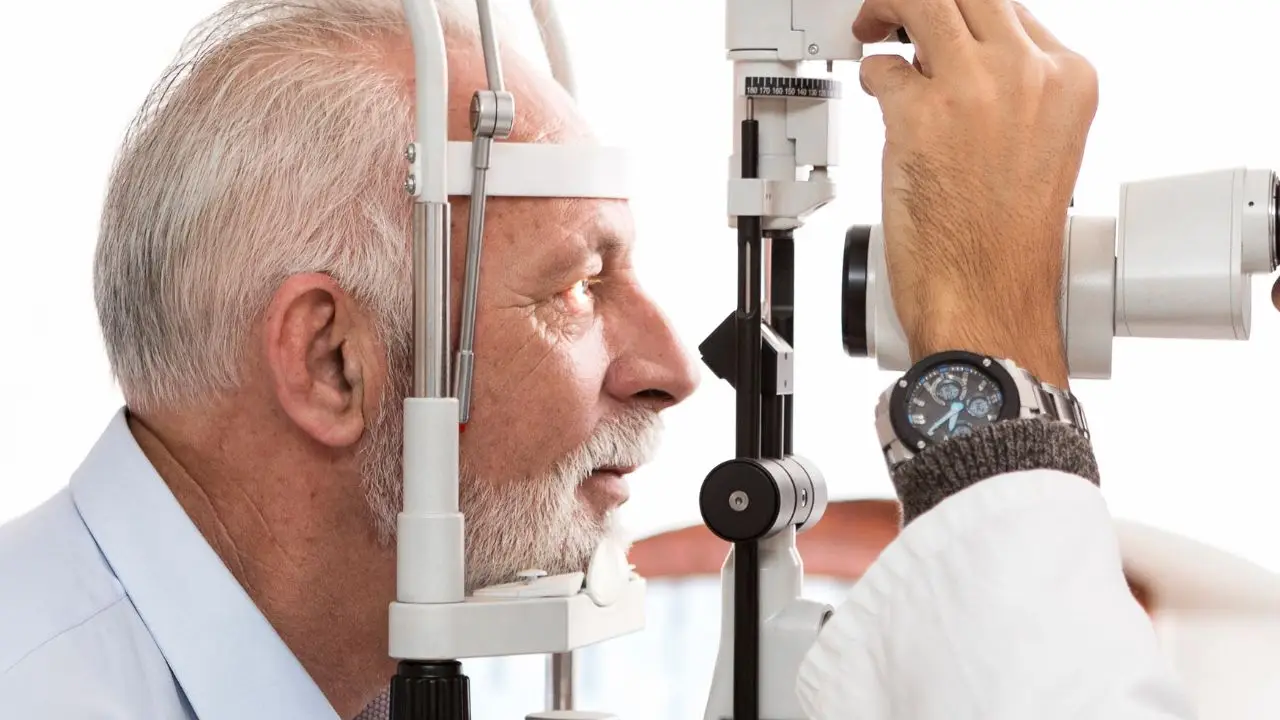
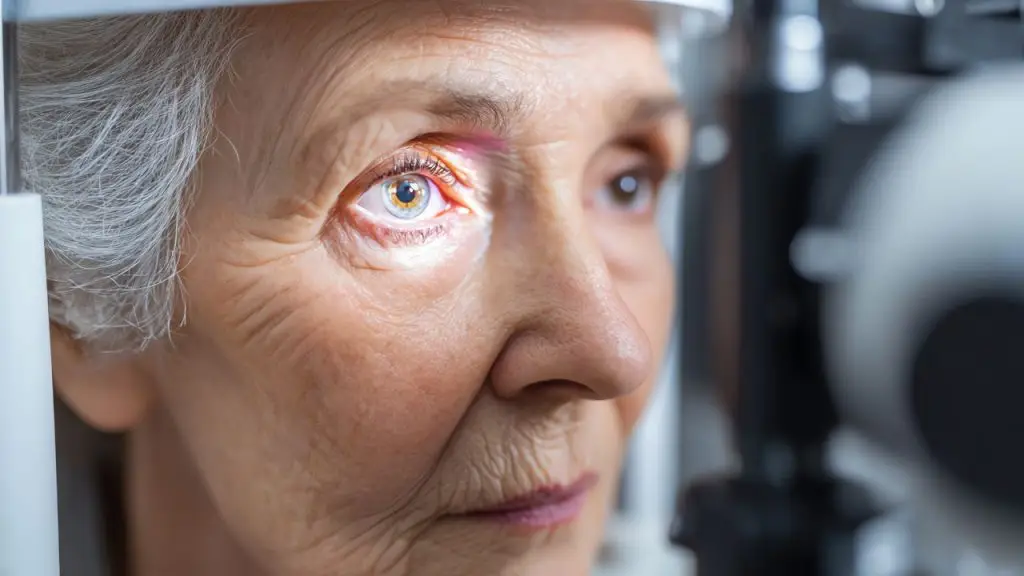
According to the American Optometric Association, a cataract is a cloudy or opaque area in the normally clear lens of the eye. Depending upon its size and location, it can interfere with normal vision.
Most cataracts develop in people over age 55, but they occasionally occur in infants and young children or as a result of trauma or medications. Usually, cataracts develop in both eyes, but one may be worse than the other.
The lens is located inside the eye behind the iris, the colored part of the eye. Normally, the lens focuses light on the retina, which sends the image through the optic nerve to the brain. However, if the lens is clouded by a cataract, light is scattered so the lens can no longer focus it properly, causing vision problems. The lens is made of mostly proteins and water. The clouding of the lens occurs due to changes in the proteins and lens fibers.
Symptoms
Cataracts generally form very slowly. Signs and symptoms of a cataract may include:
- Blurred or hazy vision.
- Reduced-intensity of colors.
- Increased sensitivity to glare from lights, particularly when driving at night.
- Increased difficulty seeing at night.
- Change in the eye’s refractive error, or eyeglass prescription.
Treatment
When a cataract progresses to the point that it affects a person’s ability to do normal everyday tasks, surgery may be needed. Cataract surgery involves removing the lens of the eye and replacing it with an artificial lens. The artificial lens requires no care and can significantly improve vision. Some artificial lenses have the natural focusing ability of a young healthy lens. Once a cataract is removed, it cannot grow back.