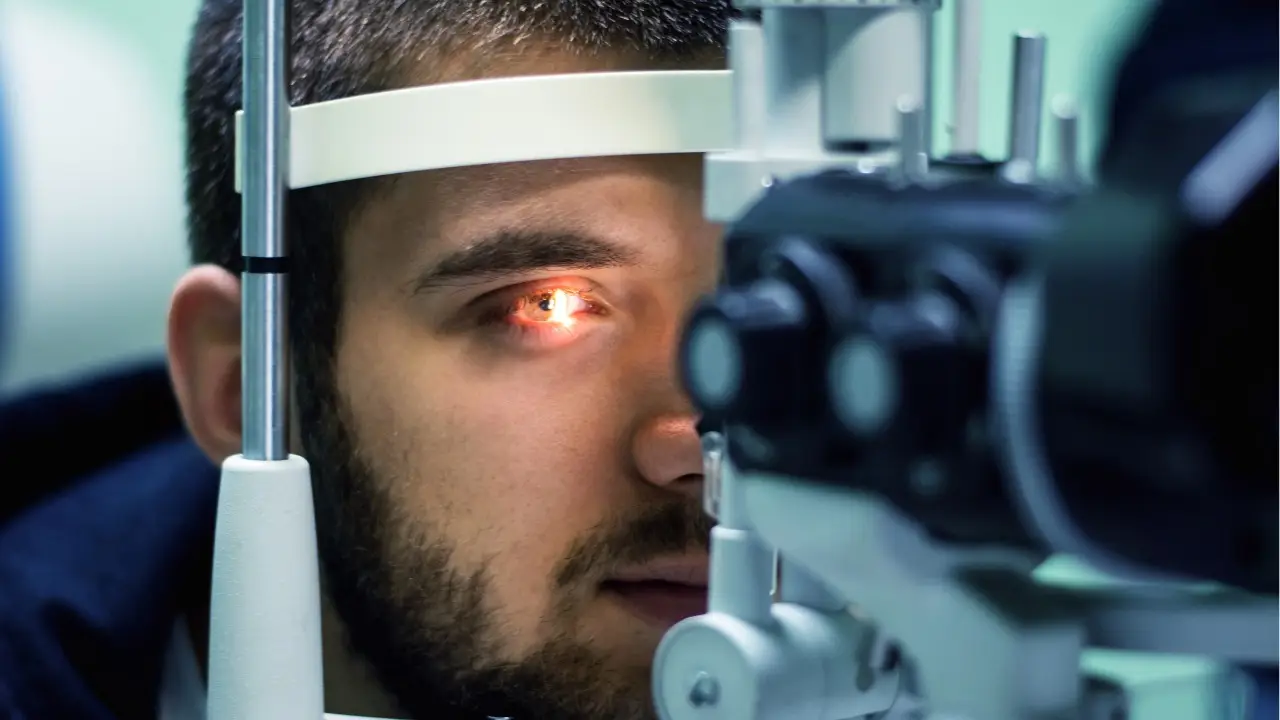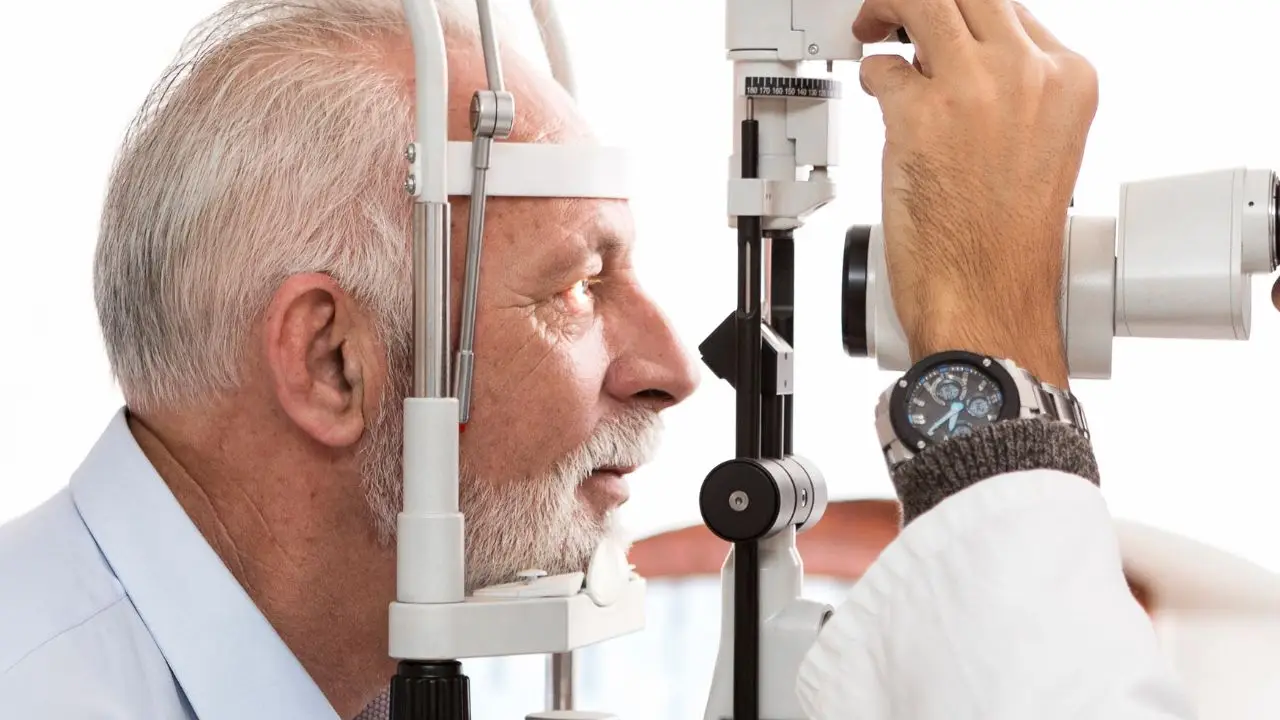

Dry eye is a condition in which a person doesn’t have enough quality tears to lubricate and nourish the eye. Tears are necessary for maintaining the health of the front surface of the eye and for providing clear vision.
Dry eyes can develop for many reasons, including:
- Age. Dry eyes are a part of the natural aging process. The majority of people over age 65 experience some symptoms of dry eyes.
- Gender. Women are more likely to develop dry eyes due to hormonal changes caused by pregnancy, the use of oral contraceptives and menopause.
- Medications. Certain medicines, including antihistamines, decongestants, blood pressure medications, and antidepressants, can reduce tear production.
- Medical conditions. People with rheumatoid arthritis, diabetes, and thyroid problems are more likely to have symptoms of dry eyes. Also, problems with inflammation of the eyelids (blepharitis), inflammation of the surfaces of the eye, or the inward or outward turning of eyelids can cause dry eyes to develop.
- Environmental conditions. Exposure to smoke, wind and dry climates can increase tear evaporation resulting in dry eye symptoms. Failure to blink regularly, such as when staring at a computer screen for long periods of time, can also contribute to drying of the eyes.
- Other factors. Long-term use of contact lenses can be a factor in the development of dry eyes. Refractive eye surgeries, such as LASIK, can decrease tear production and contribute to dry eyes.
Advanced dry eyes may damage the front surface of the eye and impair vision.
Symptoms of Dry Eyes
People with dry eyes may experience irritated, gritty, scratchy or burning eyes; a feeling of something in their eyes; excess watering; and blurred vision. Symptoms include:
- Redness.
- Stinging, scratching, or burning sensations.
- Light Sensitivity.
- Watery eyes.
- Stringy mucus near the eye.
- Blurry Vision.
Treatment
- Adding tears. Mild cases of dry eyes can often be managed using over-the-counter artificial tear solutions. Preservative-free artificial tear solutions are recommended because they contain fewer additives, which can further irritate the eyes. People with dry eyes that don’t respond to artificial tears alone will need to take additional steps to treat their dry eyes.
- Conserving tears. Keeping natural tears in the eyes longer can reduce the symptoms of dry eyes. This can be done by blocking the tear ducts through which the tears normally drain. The tear ducts can be blocked with tiny silicone or gel-like plugs that can be removed if needed. The goal is to keep the available tears in the eye longer to reduce problems related to dry eyes.
- Increasing tear production. Ludlow and Wilbraham Eye Associates can prescribe eye drops that increase tear production. Taking an omega-3 fatty acid nutritional supplement may also help.
- Treating the contributing eyelid or ocular surface inflammation. A doctor at Ludlow and Wilbraham Eye Associates can recommend prescription eye drops or ointments, warm compresses and lid massage, or eyelid cleaners to help decrease inflammation around the surface of the eyes.
Prevention
You can take the following steps to reduce symptoms of dry eyes:
- Remember to blink regularly when reading or staring at a computer screen for long periods of time.
- Increase the humidity in the air at work and at home.
- Wear sunglasses outdoors, particularly those with wraparound frames, to reduce exposure to drying winds and the sun.
- Nutritional supplements containing essential fatty acids may help decrease dry eye symptoms in some people.
- Avoiding becoming dehydrated by drinking plenty of water (8 to 10 glasses) each day.
- Avoid air getting blown in your eyes by directing car heaters away from your face.
- Avoid environments that are drier than normal, such as deserts, airplanes, and places at high altitudes.